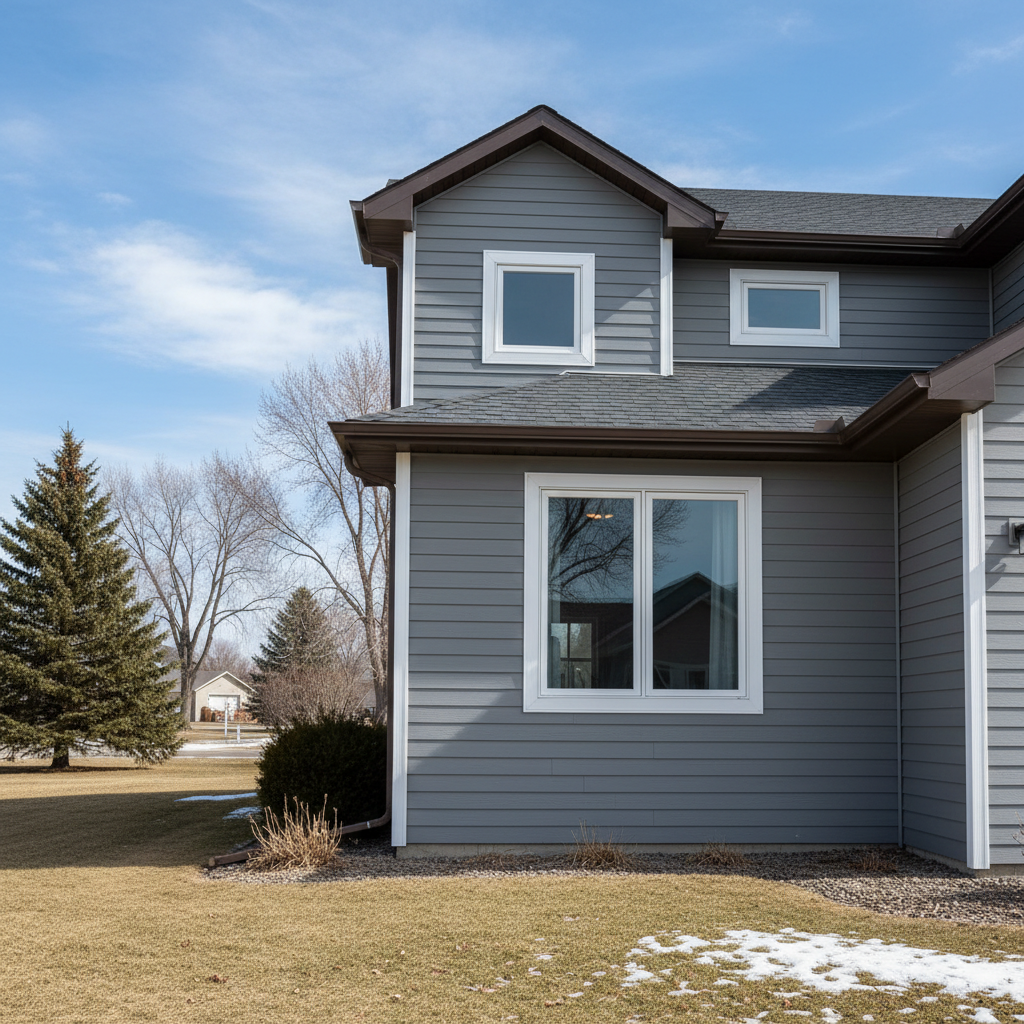
Alright, so you've got vinyl siding on your Fargo home, or maybe you're thinking about it. A lot of folks figure vinyl is pretty much set-it-and-forget-it, and while it's definitely low maintenance compared to some other options, 'no maintenance' isn't really a thing. Especially not here in North Dakota, where our weather can really put materials to the test. You want that siding to last, right? To keep your home looking good and doing its job protecting against our brutal winters and hot summers. So let's talk about what you need to do.
Regular Cleaning: Your First Line of Defense
This is probably the biggest thing you can do for your vinyl siding. Our Fargo dust, pollen, and general grime, especially after spring thaw, can really build up. And if you live near a busy road, you know what I'm talking about. A good cleaning once a year, maybe twice if you're feeling ambitious or have a lot of trees, will make a huge difference.
- Soft Brush and Soap: For most dirt, a soft-bristled brush, a garden hose, and a bucket of warm, soapy water (dish soap works fine, or a cleaner specifically for vinyl) is all you need. Work from the bottom up to avoid streaks, then rinse thoroughly from the top down.
- Pressure Washer (Use with Caution!): Yeah, you can use a pressure washer, but you gotta be careful. Too much pressure, or holding it too close, can force water behind the panels or even damage the vinyl. Keep the nozzle at least a foot away, use a wide-angle tip (like a 25-degree or 40-degree), and spray downwards. Never spray directly into seams or overlapping panels. Seriously, I've seen folks blast off trim or even put holes in siding because they weren't careful.
- Mold and Mildew: If you see green or black spots, especially on the north side of your house where it stays damp, you've got mold or mildew. A solution of one-third cup laundry detergent, two-thirds cup household cleaner, one quart laundry bleach, and one gallon of water usually does the trick. Always test it on an inconspicuous spot first, and wear gloves and eye protection.
Checking for Damage: The Annual Inspection
Once a year, usually in the spring after the snow melts and before things get too busy, walk around your house and give your siding a good look. What are you looking for?
- Loose Panels: High winds, especially those blustery ones we get tearing across the Red River Valley, can sometimes lift or loosen panels. If you see one flapping, it's a problem.
- Cracks or Holes: Hail is a real concern here. Even small hail can cause tiny cracks that let water in. Look for any impact damage.
- Warping or Buckling: This usually happens if the siding wasn't installed correctly and couldn't expand and contract with temperature changes. It can also happen if a grill or reflected sunlight from a window gets too hot against the vinyl.
- Fading: While vinyl is pretty colorfast, extreme sun exposure over many years can lead to some fading. It's not usually a structural issue, but it can affect curb appeal.
- Missing or Damaged Trim: Check around windows, doors, and corners. These are critical areas for keeping water out.
When to Call a Professional
Look, I'm a contractor, so I'm going to tell you when it's time to call in the pros. Some things you can handle, but others really need an expert touch. Here's when you should pick up the phone:
- Widespread Damage: If you've got a whole section of siding that's buckled, cracked, or loose, that's beyond a simple DIY fix.
- Water Intrusion: If you suspect water is getting behind your siding – maybe you see water stains inside your house, or the siding feels soft in spots – don't mess around. That's a serious issue that can lead to rot and structural damage.
- Complex Repairs: Replacing a single panel isn't too bad, but if it's a tricky spot, or if the original installation was done poorly and you're seeing chronic issues, it's best to let someone with experience handle it. We've seen it all at Fargo Siding Solutions, and we know how to get it right.
- After a Major Storm: If we've had a bad hail storm or really high winds, it's a good idea to have a professional inspection. They can spot damage you might miss.
Taking care of your vinyl siding isn't a huge chore, but it's an important one. A little bit of effort each year can save you a lot of headaches and money down the road, and keep your home looking sharp for years to come. It's an investment, and like any investment, it needs a little attention to pay off.