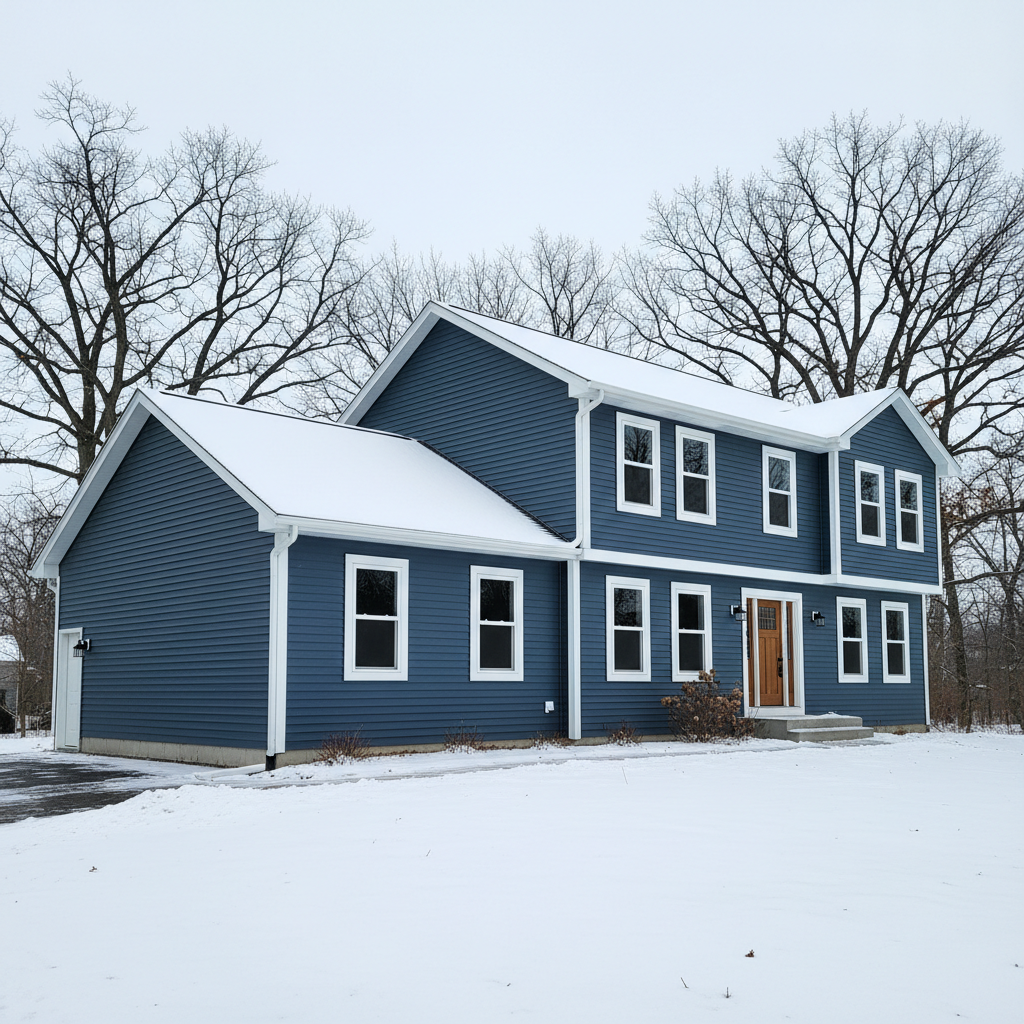
When's the Best Time to Replace Siding in Fargo?
This is probably the most common question I get asked, and it's a good one, especially here in Fargo where the weather can be, well, 'dramatic.' There's no single 'perfect' time, but there are definitely better windows and things you need to consider.
Most folks think spring or summer, and those are certainly popular. The days are long, the weather's generally milder, and crews can work efficiently. But that also means it's peak season for contractors like us. If you wait until May to call, you might be looking at a fall installation. Planning ahead is key if you want your project done in the warmer months.
Fall can be fantastic too, especially early fall. The temperatures are usually just right, not too hot, not too cold. You avoid the summer rush, and the ground is typically dry. We often see some of our best work done in September and October. The only catch is that the days get shorter, and once November hits, you're rolling the dice with early snow or deep freezes.
What about winter? Can you replace siding in the dead of a Fargo winter? Honestly, it's tough. It's not impossible, but it's usually not ideal. Extreme cold makes materials brittle, especially vinyl. Adhesives don't cure right, and working with frozen hands isn't fun for anyone. Plus, things like ground thaw and refreeze cycles can make site access a muddy mess. We've done emergency repairs in winter, sure, but a full replacement? We'd usually advise against it unless there's no other choice.
Spring is a mixed bag. You get longer days, but you also get mud, rain, and sometimes late snowstorms. The ground can be really saturated, especially in areas like the older parts of North Fargo where drainage isn't always perfect. This can slow things down and make for a messier job site. If you're thinking spring, aim for late spring, like May or June, after the worst of the thaw and spring rains have passed.
Weather Conditions That Affect Siding Work
Our crews at Fargo Siding Solutions are tough, but even we have limits. Here's what we're always watching:
- Temperature Extremes: As I mentioned, really cold weather makes materials brittle. Fiber cement siding, for example, can be more prone to chipping or cracking if cut and handled in sub-zero temps. Very hot weather, especially direct sun, can make vinyl siding expand significantly, which means we have to be extra careful with expansion gaps to prevent buckling later.
- Wind: Fargo is no stranger to wind. High winds can be a real safety hazard, especially when working on ladders or scaffolding. It can also make it difficult to keep materials secure and can blow dust and debris all over. We'll often pause work or switch to a more sheltered side of the house if the wind picks up.
- Rain & Snow: We can work through light drizzle or flurries, but heavy rain or snow? That's a no-go. It's not just about comfort; it's about safety and quality. Wet sheathing needs to dry out before new house wrap and siding go on. Plus, trying to nail straight or make precise cuts when everything's slick and visibility is low is asking for trouble.
- Humidity: This one's more subtle but still important, especially for certain types of siding. High humidity can affect how some sealants cure or how wood-based products behave. We're always mindful of moisture levels, both in the air and in the building materials.
Protecting Your Siding Investment Year-Round
Once your new siding is up, you want it to last, right? Here's how to keep it looking good and performing well through our crazy Fargo seasons:
- Regular Cleaning: This is probably the easiest thing you can do. A good rinse with a garden hose once or twice a year can wash away dirt, dust, and pollen. For tougher spots, a soft brush and a mild detergent (like dish soap) mixed with water usually do the trick. Avoid high-pressure washers unless you know what you're doing, as they can force water behind the siding or damage the material.
- Check for Damage After Storms: After a big hailstorm, a strong wind event, or even just heavy snow melt, take a walk around your house. Look for loose panels, cracks, dents, or anything that looks out of place. Catching small issues early can prevent bigger, more expensive problems down the road.
- Trim Landscaping: Keep bushes, trees, and shrubs trimmed back from your siding. They can trap moisture against the house, rub and scratch the surface in the wind, and provide pathways for pests. Aim for at least 6-12 inches of clearance.
- Mind Your Gutters & Downspouts: Make sure your gutters are clean and your downspouts are directing water away from your foundation and siding. Overflowing gutters can dump water directly onto your siding, leading to staining, rot, or ice buildup in winter.
- Inspect Caulking & Sealants: Over time, the caulk around windows, doors, and trim can dry out and crack. These are critical areas for keeping moisture out. Check them annually, especially before winter, and reapply high-quality exterior caulk as needed.
- Watch for Ice Dams: Our winters mean ice dams are a real threat. If you're getting ice dams, it means heat is escaping your attic and melting snow, which then refreezes at the eaves. This isn't just bad for your roof; it can also force water behind your siding. Addressing your attic insulation and ventilation is key here.
Taking care of your siding isn't a one-and-done deal, especially with the kind of weather we get here in the Red River Valley. A little bit of attention throughout the year will go a long way in protecting your home and keeping it looking sharp for decades to come. If you ever have questions or spot something that doesn't look right, don't hesitate to give us a call. We're always here to help.