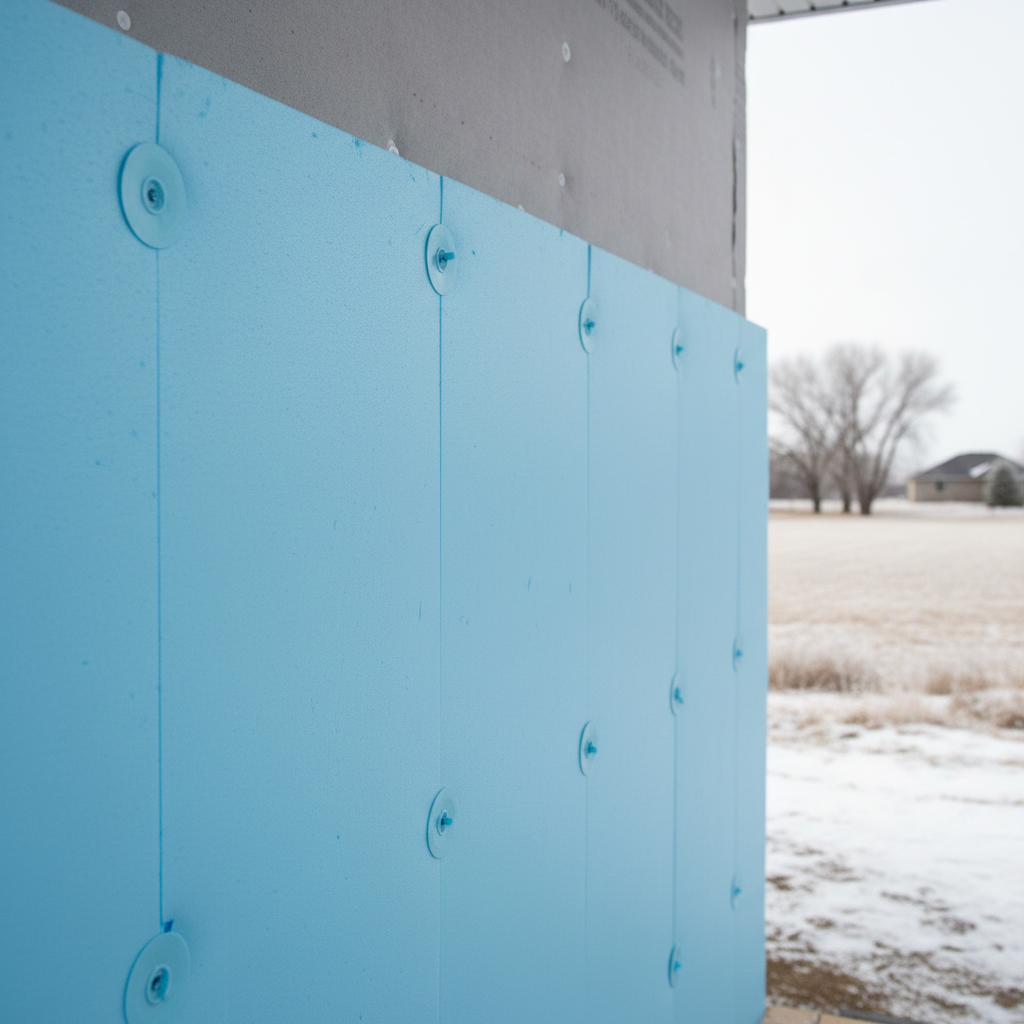
Alright, let's talk insulation. It's one of those things you don't really think about until your heating bill goes through the roof or you're freezing your tail off in January. As a contractor who's been working on homes all over Fargo for years, I've heard pretty much every question under the sun about insulation. So, I figured I'd put together some straight answers to the stuff you really want to know.
Do I even need more insulation? How can I tell?
That's the million-dollar question, right? And the answer is, probably. Especially if your house is older than, say, 20-30 years. Building codes have gotten a lot stricter over time, and what was considered 'good enough' back then isn't cutting it now, especially with our Fargo winters. The easiest way to tell if you need more is if you've got inconsistent temperatures in different rooms, drafty spots, or if your furnace or AC seems to be running constantly. Go up into your attic on a cold day; if you can see the tops of your ceiling joists, you probably don't have enough. You should really have insulation covering those joists. Or, if you're feeling really ambitious, check your energy bills from previous years. A sudden spike, or just consistently high bills, is a big red flag.
What's the best type of insulation for my Fargo home?
There's no single 'best' type, honestly, it depends on where it's going and what your budget looks like. But for most attics and wall cavities, you're usually looking at a few main contenders:
- Blown-in Cellulose or Fiberglass: This is super common for attics. It's basically shredded paper (cellulose) or fiberglass fibers blown into place. It fills gaps really well and is pretty cost-effective. Cellulose is often made from recycled materials, which is a plus for some folks.
- Fiberglass Batts: These are the rolls or pre-cut pieces you see. They're good for standard-sized wall cavities or between attic joists if you're doing a new build or a major renovation. They're easy to install yourself if you're handy, but they need to be cut precisely to fit without gaps.
- Spray Foam (Open-Cell or Closed-Cell): This stuff is fantastic, but it's also the most expensive. It expands to fill every crack and crevice, creating an incredibly tight seal. Closed-cell spray foam also adds structural rigidity and acts as a vapor barrier. It's great for rim joists in basements or hard-to-reach areas, but it's a job for pros only.
For most existing homes in Fargo, especially if you're just adding to your attic, blown-in fiberglass or cellulose is usually the way to go. It's efficient and doesn't break the bank.
How much insulation do I actually need? What's an R-value?
The 'R-value' is basically how well the insulation resists heat flow. The higher the R-value, the better it insulates. For attics in our climate zone (Fargo is Zone 6), the Department of Energy recommends an R-value between R-49 and R-60. That's a lot! For walls, it's typically R-13 to R-21, depending on the wall cavity depth. Basements and crawl spaces have their own recommendations too. Don't just guess; make sure whoever you're talking to knows the current recommendations for our specific climate.
Will adding insulation really save me money on my energy bills?
Absolutely, 100%. This isn't marketing fluff; it's just physics. When your home is properly insulated, your furnace and AC don't have to work as hard to maintain a comfortable temperature. That means they run less often, use less fuel or electricity, and your bills go down. We've seen homeowners cut their heating costs by 15-30% or even more after a good insulation upgrade. The payback period can be surprisingly quick, especially with those brutal -30 degree days we get sometimes.
What about ventilation? Does insulation affect that?
This is a critical point that often gets overlooked. Good insulation needs good ventilation, especially in your attic. If you just pile on insulation without proper attic ventilation, you're asking for trouble. You can end up with moisture buildup, mold, and even ice dams on your roof. Here in Fargo, ice dams are a huge problem for homes with poor insulation and ventilation. You need continuous airflow from your soffit vents up through your ridge vent to carry away moisture and heat. Any good insulation contractor, like us at Fargo Siding Solutions, will assess your ventilation situation before just blowing in more insulation.
Can I install insulation myself, or should I hire a pro?
For fiberglass batts in an unfinished basement or a small, accessible area, sure, a DIY approach might work if you're careful about cutting and fitting. But for blown-in insulation in an attic, or any spray foam application, I strongly recommend hiring a professional. It's messy, requires specialized equipment, and if it's not done right (uneven coverage, blocking vents, not sealing air leaks first), you won't get the benefits and could even cause problems. Pros also know how to spot and seal air leaks, which is just as important as the insulation itself. Plus, they'll handle all the safety gear needed for working with insulation materials.
How long does insulation last?
Most insulation types, when properly installed, are designed to last for the lifetime of your home. Blown-in fiberglass or cellulose, and spray foam, don't really degrade over time unless they get wet, compressed, or disturbed by pests. If you have older batt insulation that's sagged, gotten damp, or been chewed on by mice, then its R-value is compromised, and it's time to replace it. But generally, once it's in, it's good to go for decades.
Look, insulation isn't the flashiest home improvement, but it's one of the smartest investments you can make for comfort and long-term savings. If you're tired of high energy bills or cold spots, it's definitely worth looking into.