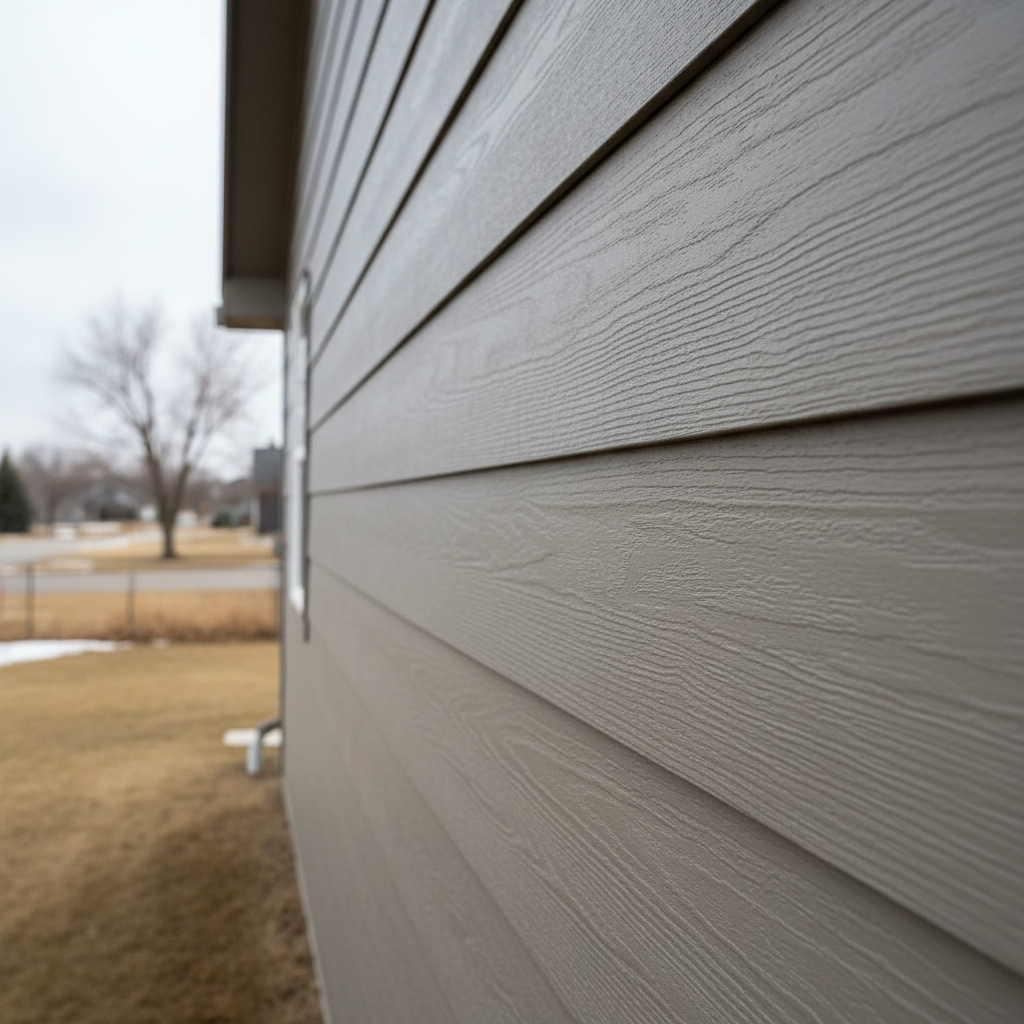
Thinking About Cement Siding? Here's the Real Deal.
So, you're looking at cement siding for your house here in Fargo. Good choice. It's tough, it looks great, and it holds up like a champ against our wild weather – those blizzards, the hail we get, even the crazy temperature swings. But before you jump in, you need to know what you're getting into, especially if you're thinking about doing some of the work yourself. Let's break down what's realistic for a homeowner and when you absolutely need to call in the cavalry.
Before You Start: Planning and Prep
This is where a lot of folks underestimate the job. Cement siding isn't like slapping up vinyl. It's heavy, it requires specific tools, and the prep work is crucial. You can definitely do some of the upfront stuff yourself, and it'll save you a few bucks.
Research and Design: Spend time figuring out what look you want. There are different textures and profiles of cement siding. Get samples. Drive around neighborhoods like the ones west of I-29, see what styles catch your eye. You can plan your color scheme, trim details, and even window wraps.
Budgeting: Get a clear picture of material costs. Cement siding isn't the cheapest upfront, but its longevity often makes it a smart investment. Factor in tools you might need to rent or buy, and don't forget fasteners, caulk, flashing, and paint.
Permits: This isn't optional. Check with the City of Fargo's planning department. Most exterior renovations require a permit, and you don't want to get halfway through a job only to find out you're in violation. This is a straightforward call or visit you can handle.
Demolition (Maybe): If you're tearing off old siding, you *can* do this yourself. Just be prepared for a mess and proper disposal. Rent a dumpster. Be careful around electrical lines and make sure you're not disturbing any asbestos if your house is older – that's a job for certified pros.
What you probably shouldn't DIY here is the structural assessment. If you suspect any rot or damage to your sheathing or framing once the old siding is off, get a professional opinion. You don't want to cover up bigger problems.
During the Project: Installation Realities
This is where the line between DIY and pro gets pretty clear. Installing cement siding is not a weekend warrior project. It's precise, it's physically demanding, and if it's not done right, you'll have problems down the road – water intrusion, cracking, warranty issues.
Tools: You'll need specialized tools. A fiber cement shear or saw with a dust-collecting blade is essential. Cutting this stuff creates a lot of silica dust, which is bad for your lungs. You'll also need pneumatic nailers, scaffolding or a sturdy ladder system, and precise measuring tools. Renting these can add up fast.
Flashing and Moisture Barriers: This is non-negotiable for a proper install. Our climate here in Fargo means we get plenty of moisture. You need a robust house wrap and proper flashing around every window, door, and penetration. This is where many DIYers mess up, leading to water damage later. Pros like us at Fargo Siding Solutions know exactly how to detail these critical areas to keep your home dry.
Handling and Cutting: Cement siding boards are heavy and brittle before they're installed. They can snap if not handled correctly. Cutting them precisely, especially for angles and around openings, takes practice and skill. It's not like cutting wood.
Fastening: There are specific nailing patterns and fastener types required to meet warranty standards and local building codes. Too tight, too loose, wrong nail – it all matters.
Painting (If applicable): If you're getting primed siding, you'll need to paint it. This is definitely something you can do yourself. Good quality exterior paint, proper prep, and careful application will give you a great finish. Just make sure the weather cooperates – no painting in freezing temps or direct, scorching sun.
My honest advice? For the actual installation of the siding panels, especially the first course and around windows and doors, hire a professional. It's worth the investment to ensure it's done correctly, protecting your home for decades. You can assist with moving materials, clean-up, and maybe even painting, but leave the heavy lifting and precise cuts to the experts.
After the Project: Maintenance and Longevity
Once your beautiful new cement siding is up, the good news is it's pretty low maintenance. But